Keep a model you don't agree with
GPT leads with the consensus; Claude more often surfaces the counterargument. Why the point of using more than one model is disagreement, not redundancy.

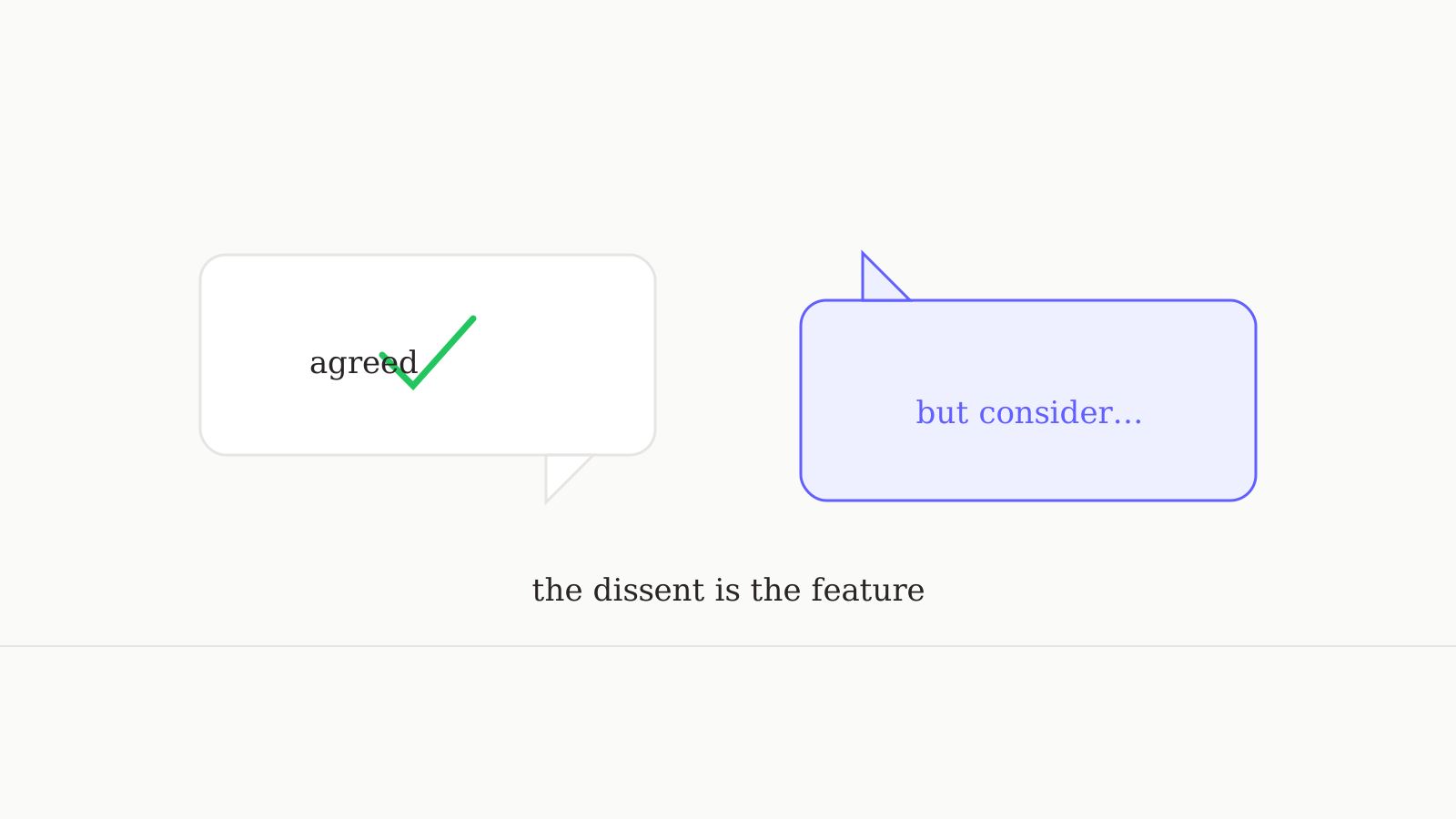
Most people find a favourite model and stop. It makes sense — switching is friction, and a model you like is comfortable. But comfort is exactly the problem. A single model is a single perspective with a single set of blind spots, delivered in a voice so consistent and confident that you can't see the blind spots from inside its answers. The most useful thing I do with AI is keep a second model around specifically because I don't fully agree with it. The point of more than one model isn't redundancy. It's disagreement.
Different minds, different defaults
Anyone who's used the major models side by side notices it: they have temperaments. As one widely-shared observation put it, GPT "tends to lead with the mainstream view and almost always provides the most detail," while Claude "more frequently surfaces the counterargument or the nuance." Gemini brings its own angle again. None of this is about which is better — it's that they're different, and difference is the whole value. Two models that always agreed would be one model with extra steps.
Redundancy vs dissent
This is why "which model is best" is the wrong question, and right model vs best model is closer to the truth. The best single answer and the best thinking are different goals. For thinking, you want friction — a model whose defaults differ from your favourite's, used deliberately as the skeptic in the room.
How to use a model you distrust
Make it the designated contrarian. After your main model answers, hand the same question to the other one with a job: argue the opposite. Find the weakest claim. List what the first answer assumed. You're not holding a contest. You're using the disagreement as a tool, and then — this part stays yours — you make the call. It's the same division of labour as the thinking is yours, the models do the typing: the models supply perspectives; the judgment is yours.
It even helps to keep an open model next to a closed one for this, since they're trained on different mixes and diverge in useful ways — part of why the open-weight vs closed split is worth caring about beyond cost.
Where this fits
Keep a model you don't love. Let it annoy you with the objection your favourite glided past. That friction is the feature — it's how you escape your own echo chamber when the echo is a very articulate machine. Switching between them by hand is the friction that kills the habit, which is the friction oran.chat removes: more than one mind, one place, the right one per question; start free. More in Essays.